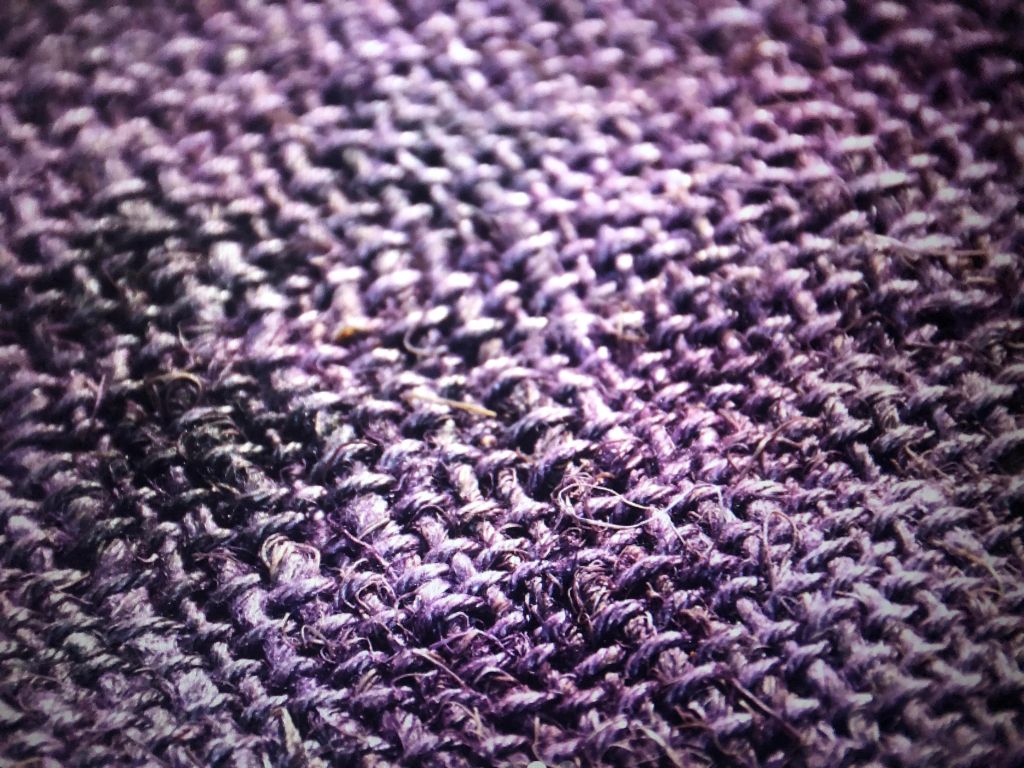
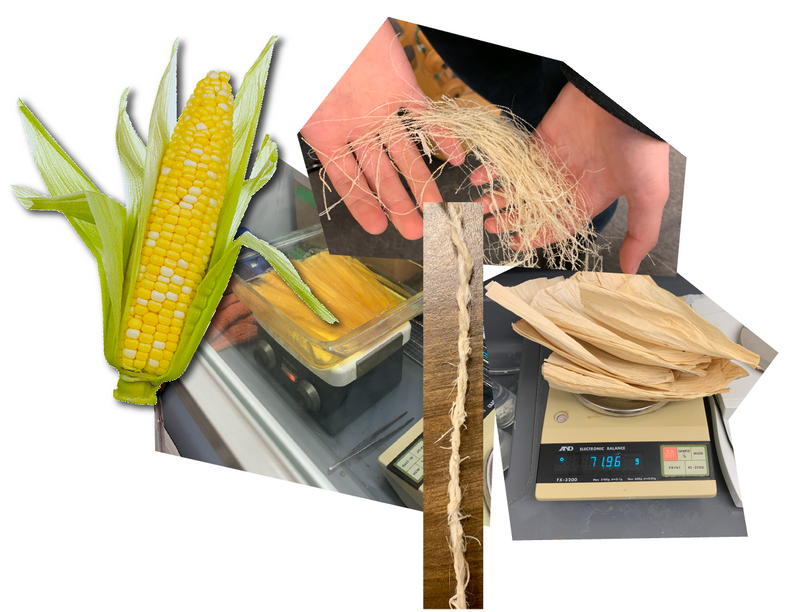
The University of Pennsylvania’s submission to the 2019 BioDesign Challenge was Denimaize. The idea behind the project was to try and reinvent denim jeans. They used retted corn husks that have been colored with a microbial dye that originates from the fungal infection corn smut. While the team from UPenn is still perfecting their material, the current model of denim has a thick wool like texture and a beautiful violet hue. The thin fibers of corn husk are woven into small flat sheets where it can potentially be tailored into the classic cut of jeans. The material also lacks elasticity and long term durability.

One interpretation of why one would make jeans made of corn is that they help make the clothing industry more sustainable. The average person own three to seven pairs of jeans, and each pair is made of cotton, spandex, lycra, polyester blends, and rayon. Not to mention the process of coloring them uses toxic chemicals and wastes hundreds of gallons of water per pair of jeans.
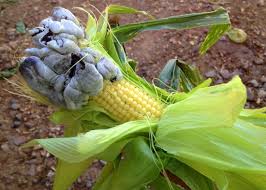
Another interpretation is that if the jeans are made with corn, this could start to eliminate the use of pesticides and insecticides on crops. The process of coloring the corn husks comes from a dye made from the disease corn musk. So, in order for it to grow, the corn can’t be sprayed with pesticides. In addition, if farmers are making a profit on both diseased and healthy corn, they are more inclined to not spray pesticides.
 Lex's Blog