Fifty years ago the city of Camden was a major industrial powerhouse. At its peak Camden supplied over 40,000 manufacturing jobs, but the pollution left behind still lingers even after all the jobs were lost. One of the glaring problems in the city of Camden today is that the soil contains high levels of lead. This creates a danger for the public, especially for children because they put everything they touch in their mouth. One way to combat this problem is to plant Phytoremediation gardens. These gardens would contain plants such as sunflowers, ornamental cabbage, mustard greens and sea pink thrift, which are not only beautiful but functional. Their roots absorb not only lead but other harmful elements like Cadmium and Cesium. These gardens could be implemented in abandoned lots and even in peoples backyards, but they must be tended to because if the plants desiccate the lead will seep back into the soil.
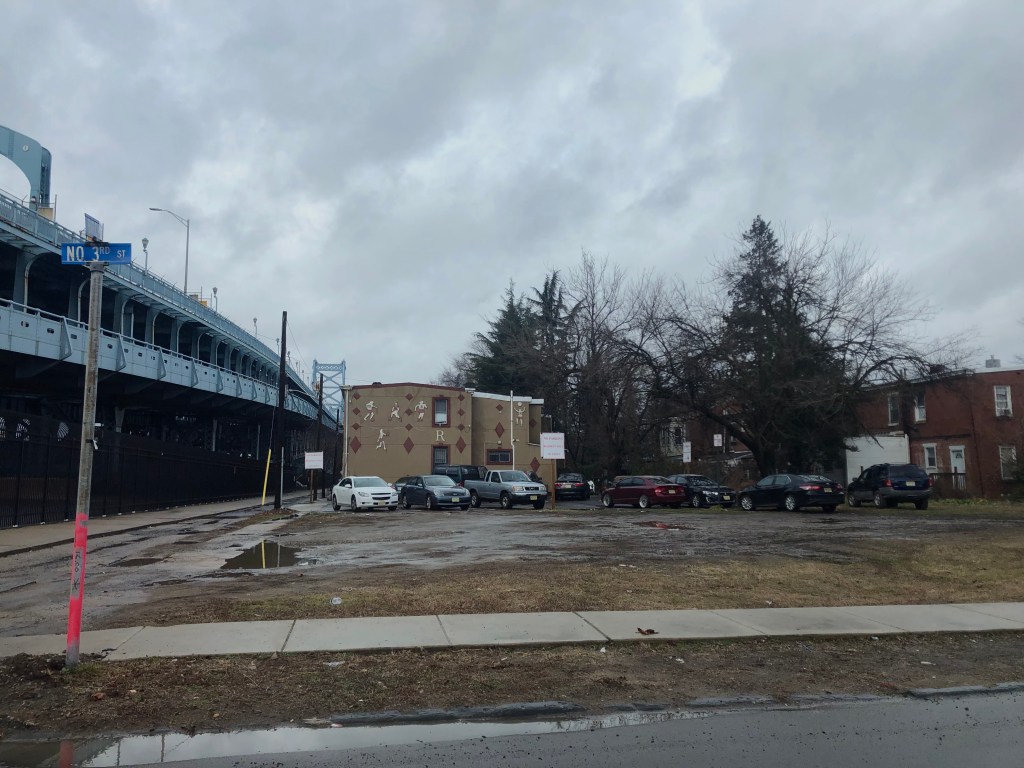
In one study in Maine, cabbage was used for phytoremediation of a heavily contaminated industrial site. After the completion of the field trial, phytoremediation was successful in reducing the total soil lead level from an average of 984 mg/kg in the surface soil to 644 mg/kg. This was in just one growing season.
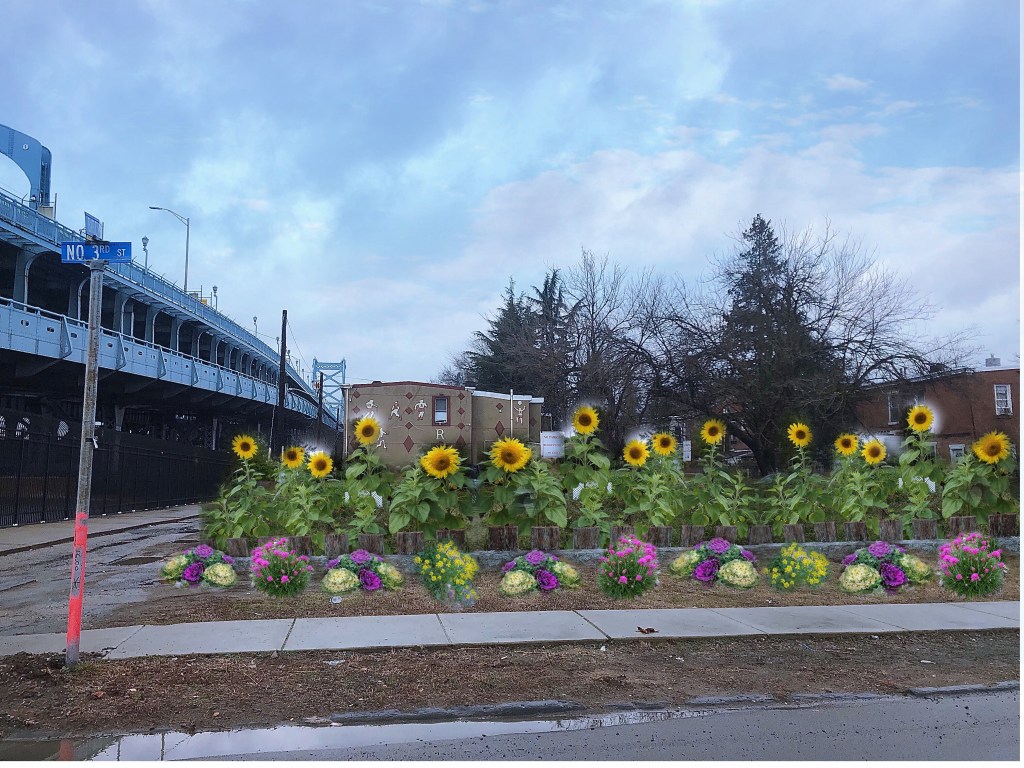
One interpretation of the project is that it would be a great way to make Camden safer. The citizens of Camden have enough to worry about, they shouldn’t need to be scared about the ground under their feet. Another interpretation is that if the soil of camden is toxin and heavy metal free, the ground would be able to sustain cheaper community gardens. If people could grow their crops from their own backyard, it would also help combat the obesity epidemic of cities.
 Lex's Blog