“Sustainable yet elegant design for the most important part of the world”
Deezan Award judge
“Aethstetics combined with innovative functions”
Vogue Italia
“Environmental benefits of expandable kids clothes are clear”
World Economic Forum

Vollebak Mission Sack, unknown, 2020 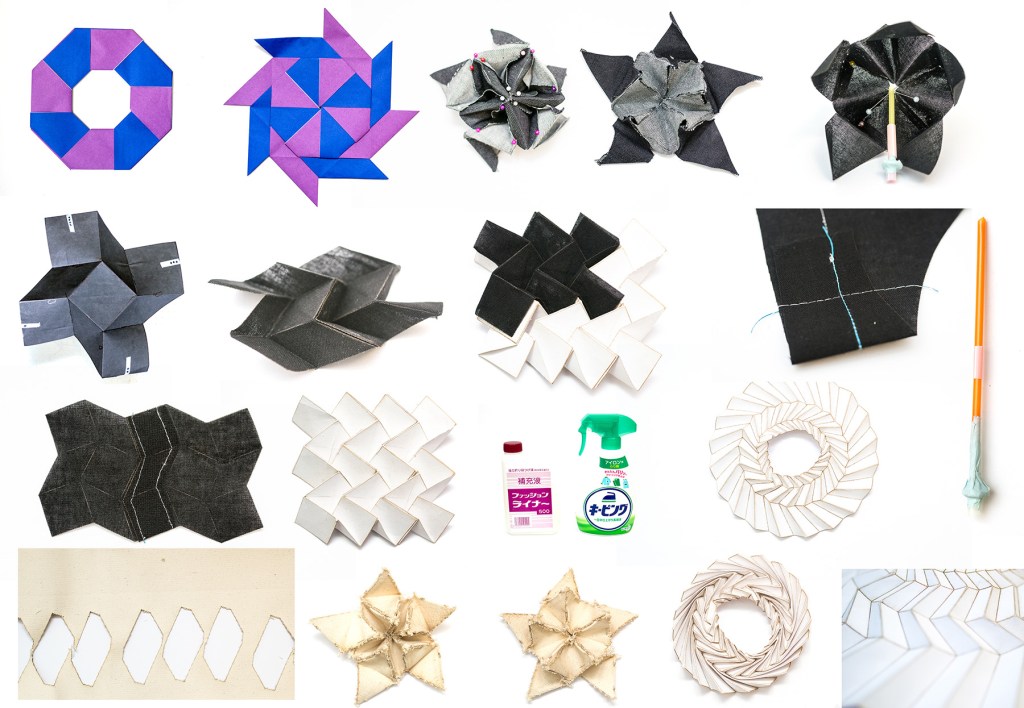
HARAJUKU GARMENT, alloy wire & various fabrics, 2019 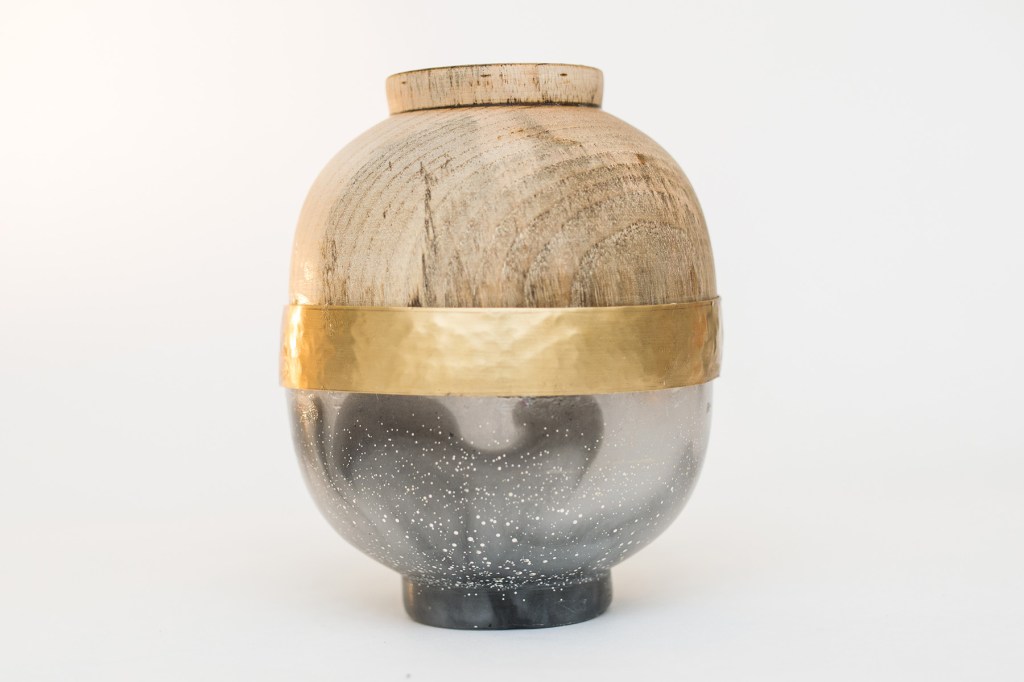
LIGHTING, wood, patinated brass, and resin, 2019 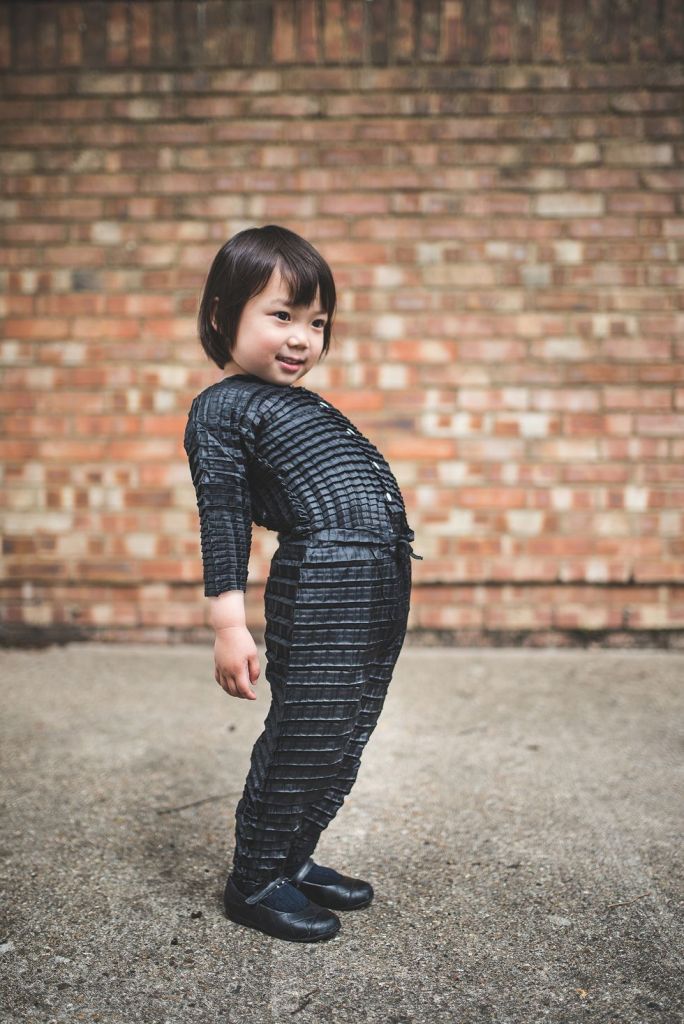
Petit Pli, recycled plastic, 2017 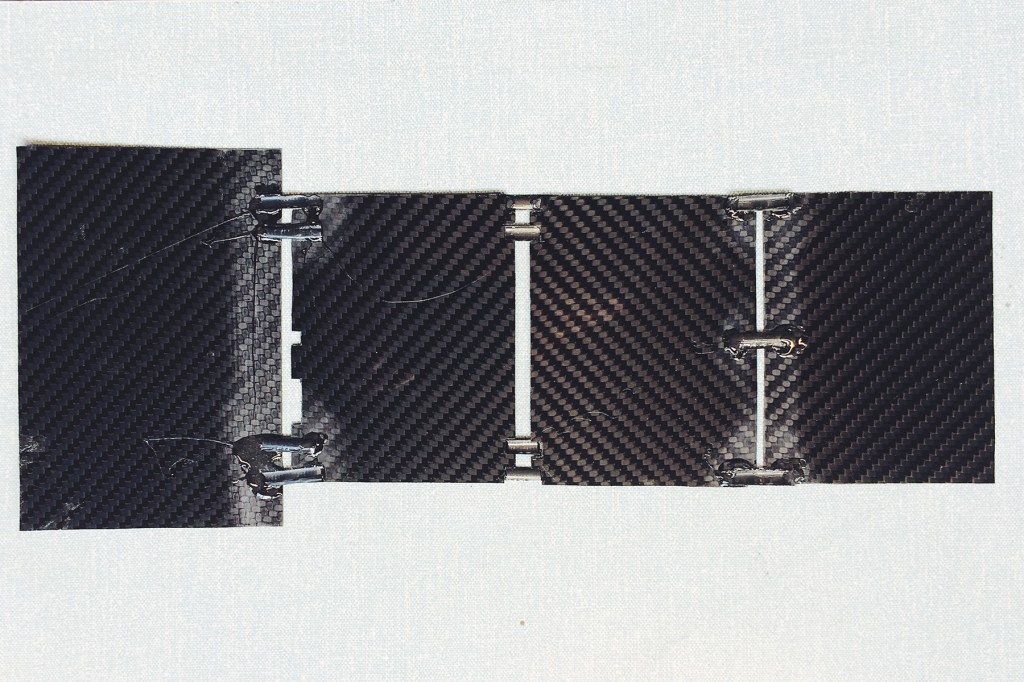
Self-Deploying Satellite Cells, panels linked via carbon fibre reinforced polymer tape, 2019
SUBJECT: Ryan Mario Yasin is a young innovator who recently earned his master’s degree at the Royal College of Art in London. While in school he worked tirelessly on many design projects but his most successful creation is Petit Pli. His work revolutionized the world of children’s clothes and fashion because his fabric grows with the child whose wearing it. The complex origami inspired design expands to fit the body and move with children for over 5 years. The product is not only extremely durable, breathable, lightweight and rainproof but does wonders for the environment because the fabric is composed of recycled plastic water bottles. The pullover shirt and long bottoms come in a variety of colors, ranging from blue, red, orange, black and green. The clothes are also remarkably inexpensive costing only $120 euros per set. The design has earned the James Dyson Award (2017), a Dezeen Best Wearable Design Award (2018), and a Global Change Award (2019).
CONTENT: One interpretation is that the style of the garments help eliminate the gender stereotypes behind clothing. As children age they are persuaded by society to dress how they think the world wants them to, but eliminating the difference between “male” and “female” clothes at a young age allows them to form their own opinion of how they wish to dress when they are older. Another interpretation of Petit Pli is that it is the future of sustainable fashion. They took the fact that children grow at such a rabid rate, and go through an immense amount of clothes, and replaced the need to buy children a new wardrobe every 6 months to buying them new clothes every 5 years.
 Lex's Blog