Natalie Jeremijenko’s Feral Robotic Dogs are a groundbreaking harmony of the worlds of technology and sustainability. Her ingenuity and ability to think outside of the box allowed her to create robots that use sensors to “sniff” the concentration of toxic pollutants of its surroundings. The robots themselves come in many models because they are made by disassembling and rebuilding commercially available small robotic toy dogs. The robots sleek hairless design is equipped with a camera on their head and an upgraded nose that houses the pollution sensors. A data storage device is also fitted on the back of the dogs.
One interpretation could be that humans crave companionship from animals but their furry friends often have short lifespans. A solution to this problem could be robotic dogs, because they aren’t alive and are incapable of dying, thus they would outlive their human. Another interpretation of the robotic dogs is that they could symbolize the deterioration of the environment, and the importance of involving children in the fight to save Earth. All of the people of Earth need to make changes to help the planet’s health. Most importantly, children need to be taught the ways of sustainability because their generation could be effected the most if Earth isn’t helped. The robotic dog design of the pollution detectors makes it fun for kids to help their planet.
1. This class focuses on creatively considering design solutions to some of the world’s most pressing problems. Has the work you have done in this class changed or influenced your thinking about any of these issues?
Taking this class has opened my eyes to many world issues. It also taught me that places like Camden are not as bad as their reputation precedes them and I have changed my perspective of Camden as a place of crime to one that could blossom into an wonderful community. I also discovered the would of biodesign and initially I wasn’t sure it was up my ally but I have loved learning about all the amazing projects that people are working on to make the earth more sustainable.
2. What field/profession are you being trained for in school right now? How has this class influenced, changed or enlarged your perception of your field?
I am I biology major with a pre-med track and this class has influenced me to take a new perspective of biology and think about it from a design perspective. Before when I learned biology I only focused on the next test I was going to take, now I take the information I learn and I try to apply it to real life problems.
3. This class originates in the Art Department. Do you think that art and design classes should be a part of the general curriculum?
Yes I think art and design should be a part of the general curriculum because it is a great way to get your creative juices flowing and de-stress. It also is a nice change for many students who might not have taken an art class in the past because they could discover a new passion.
4. Your work growth and in this class, as a student, was an integral part of our group learning experience. When I and the other instructors in the Intermedia Art Concentration are charged with designing this class, we listen carefully to student feedback. In your own words, A) what was the most challenging thing you had to do in the class? B) what was the one activity/exercise/project that you enjoyed the most?
The most challenging aspect was the workload, I think the class should definitely be longer because my class was trying to fit 3 hours worth of work into 90 minutes and that left us with an immense amount of homework every class. The activity I enjoyed the most was watching the documentary on E.O. Wilson of Ants and Men.
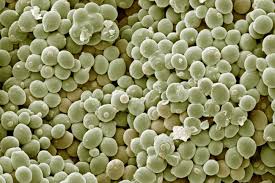
Yeast is a unicellular microorganism that belongs to the Fungus Kingdom. They are chemoorganotrophs so they use organic compounds as a source of energy and do not require sunlight to grow. Yeast also has specific temperatures they grow best in and they often prefer slightly acidic environments. There are many different species of yeast and not all are safe for humans. While there is the Saccharomyces cerevisiae which is the key element in brewing because of its ability it ferment alcohol, there are also yeats such as the Candida albicans, which are opportunistic pathogens and are very dangerous to people.
Yeast in general creates proteins but it reabsorbes half of the protein it secreets to feed itself. The process of genetically modifying the yeast is to prevent the organism from reabsorbing so much of the protein it expels so that it can be harvested by people. The process is simple and only requires scientists to find the proteins in yeast responsible for the uptake functions and genetically knocked them out.
Arxula adeninivorans Arxula adeninivorans (also called Blastobotrys adeninivorans) is a dimorphic yeast, meaning it grows as a budding yeast up to a temperature of 42 °C, but as a filamentous form at higher temperatures. A. adeninivorans has unusual biochemical characteristics. It can grow on a wide range of substrates and can assimilate nitrate. Strains of A. adeninivorans have been developed that can produce natural plastics, and have been involved in the development of a biosensor for estrogens in environmental samples.
Candida boidinii Candida boidinii is a yeast notable for its ability to grow on methanol (called methylotrophism). Like other methylotrophic species such as Hansenula polymorpha and Pichia pastoris, it is used as a platform for the production of foreign proteins. Yields in a multigram range of a secreted foreign protein have been reported. A computational method, IPRO, recently predicted mutations that experimentally switched the cofactor specificity of Candida boidinii xylose reductase from NADPH to NADH.[1]
Ogataea polymorpha Ogataea polymorpha (synonyms Hansenula polymorpha or Pichia angusta) is another methylotrophic yeast (see Candida boidinii). It can grow on a wide range of other substrates; it is thermo-tolerant and can assimilate nitrate (see also Kluyveromyces lactis). It has been applied to the production of hepatitis B vaccines, insulin and interferon alpha-2a for the treatment of hepatitis C, as well as to a range of technical enzymes.
Kluyveromyces lactis Kluyveromyces lactis is a yeast regularly used for the production of kefir. It can grow on several sugars, most importantly on lactose which is present in milk and whey. It has successfully been applied among others to the production of chymosin (an enzyme that is usually present in the stomach of calves) for the production of cheese. Production takes place in fermenters on a 40,000 L scale.
Pichia pastoris Pichia pastoris is a methylotrophic yeast (see Candida boidinii and Hansenula polymorpha). It provides an efficient platform for the production of foreign proteins. Platform elements are available as a kit and it is worldwide used in academia for the production of proteins. Strains have been engineered that can produce complex human N-glycan (yeast glycans are similar but not identical to those found in humans.
Saccharomyces cerevisiae Saccharomyces cerevisiae is the traditional baker’s yeast used widely in brewing and baking. Often the collective term “yeast” is used for this single species. As an expression platform it has successfully been applied to the production of technical enzymes and of pharmaceuticals like insulin and hepatitis B vaccines.
Yarrowia lipolytica Yarrowia lipolytica is a dimorphic yeast (see Arxula adeninivorans) that can grow on a wide range of substrates. As such, it has a high potential for industrial applications but there are no recombinant products commercially available yet.
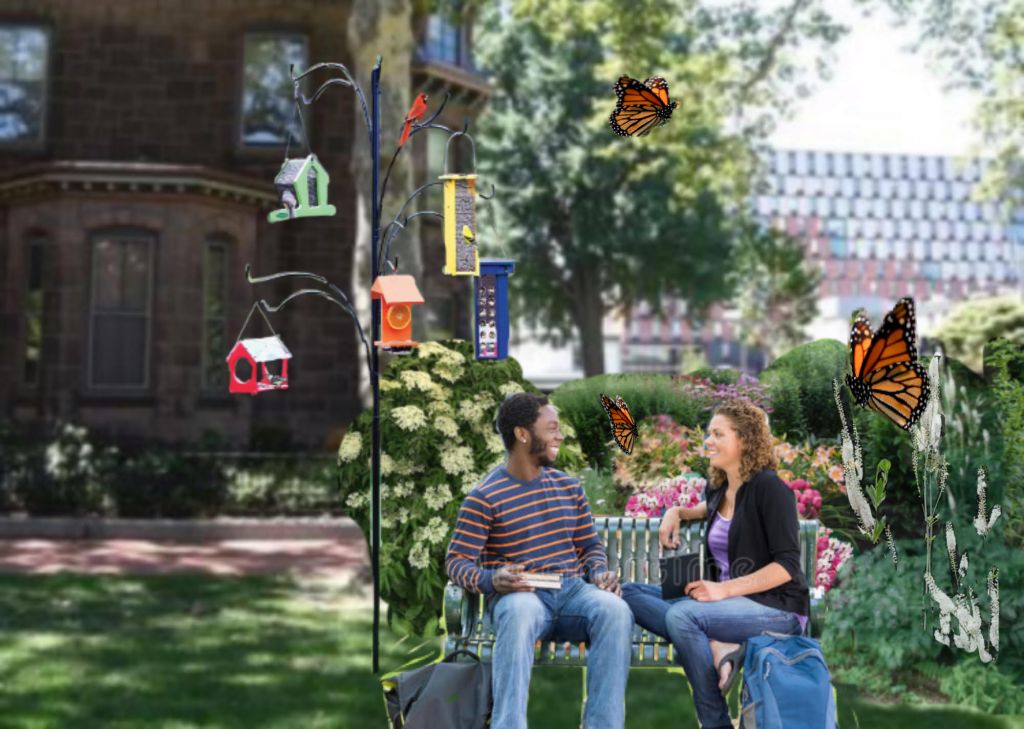
The University of Rutgers Camden is an institution of the highest excellence, and it’s students and faculty members exemplify this. While our campus is small compared to our friends in New Brunswick, we have the same fervor for bettering ourselves and the community around us. This is why I’m proposing the installation of a Medicinal Butterfly Garden on the Rutgers Camden Campus. The medicinal part of the garden is inspired by the Lenape Indians who utilized plants to cure illness and maintain health by natural means. They traditionally used black cohosh, elderberries and many others because they that acted as contraceptives, gastrointestinal aids, hypotensive medicines, sedatives, and toothache remedies due to the medicinal properties in their leaves, stems and berries. The gardens would also include plants such as milkweed because they are the primary food source for many local butterflies. But it is not just the indigenous insects that would gain, all of the students on campus would also benefit from this garden. Biology majors can observe them to study topics such as botany and ecology. Nursing students can study them to learn about the origin of many pharmaceuticals because about 25 percent of all prescription drugs contain plant derivatives. Students outside the field of science would also enjoy the garden for its beauty and can use it as a way to decompress after a stressful day of exams. In fact, research at Norwegian University of Life Sciences in Norway showed that those with clinical depression who were in a 12-week therapeutic horticulture programme, improved their overall mental health without medication by simply gardening. Anxiety.org also tells how the results of 21 different studies investigating the effect of gardening on physical and psychological well-being indicated that gardening has a positive overall effect on health, and that gardening was particularly effective in decreasing depression and anxiety. This would greatly benefit the students of Rutgers Camden because college can be very stressful and on average 41% of all college students suffer from anxiety.
In places like Camden there are few natural thriving ecosystems for our non human companion species. Butterflies are not the only organism that are negatively affected by the lack of foliage, the rest of the ecosystem is harmed because the food chain stems from species such as the butterfly. Making a green addition to the cityscape of Camden is ethically the right thing to do for everyone.
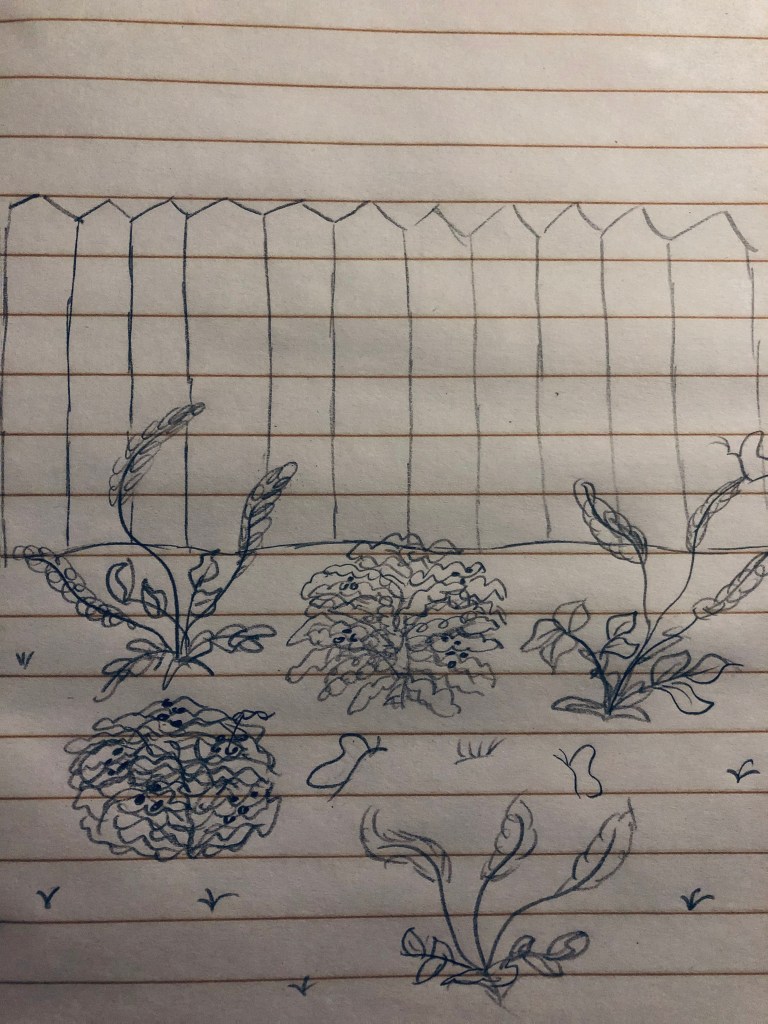
The gardens dimensions would be 15 feet by 3 feet and could also include a small bench or table. It could be located next to the Admissions Building and would be fairly inexpensive to install. The Biology students could grow the plants from the seeds to not only learn about germination but also cut the cost of the garden exponentially. In total the seeds would cost around $50 to fill the area and the bench could range from $50-$200 but one could also be donated by an Alumni. Other features could also be donated such as a birdbath and a bird feeder to further attract wildlife to the Rutgers Camden campus. The garden could even receive fertilizer from a future composting sight on campus.
-Weiner M. A. — Earth Medicine-Earth Foods. Plant remedies, drugs, and natural foods of the North American Indians
-Gonzalez, Marianne Thorsen, et al. “Therapeutic Horticulture in Clinical Depression: a Prospective Study of Active Components.” Journal of Advanced Nursing, U.S. National Library of Medicine, Sept. 2010, http://www.ncbi.nlm.nih.gov/pubmed/20626473.
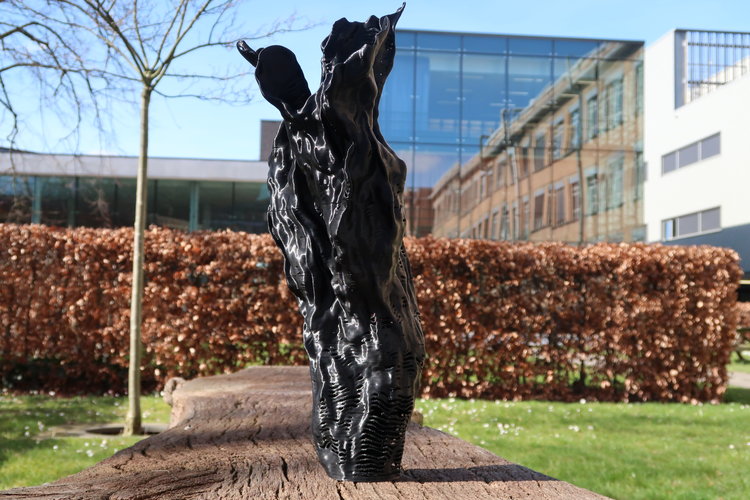
The Bio Design Challenge project the University of Ghent submitted in 2018 was Aerolis. It is an air purifying artwork and organic structure that found its origin in algorithmic design. Its form mimics the air purifying properties of tree bark and incorporates data on wind velocities that enables it to grow in harmony with its surroundings. Its shape is 3D printed and is equipped with a black biotin coating. The appearance of the sculpture also resembles that of ink being splashed. While there is little data on how exactly this project works, it is a beautiful combination between art and helping the environment.
Content:
One interpretation on Aerolis is that is it is a great way to take something like artwork that does not necessarily have a purpose other than enjoyment, and turn it into something that can help the environment. Another interpretation of Aerolis is that the design could be inspired by the pollutants it seeks to remove from the air.
Conection:
This project relates to my phytoremediation projects in the way that it takes pollutants and removes them from the environment and utilizes them to grow.
Unfortunately the citizens of Camden live in one of the poorest cities in the United States. The average income of a household is less then $25,000 making expensive healthcare almost impossible to pay for. One way to help this problem is Lenape Indian inspired medicinal butterfly gardens. These gardens would be the home of medicinal plants such as black cohosh, and elderberries. Plants such as these have medicinal properties in their leaves, stems and berries that the Lenape Indians used to utilize for health conditions such as depression, kidney disorders and even boost ones immune system. These plants are also a great way to help the ecosystem because they attract butterflies. While these gardens would only last while the weather is warm, when the plants die in the winter, people can uproot them and weave them into baskets using the tradition Lenape patterns. Citizens can also collect seeds from the plants to grow them the next season to not have to buy plants again.
“Long before there was pharmacology as we know it, the North American Indians cured illness and maintained health by natural means, using the healing plants of the forest, desert, and seashore. Ranging from analgesics, contraceptives, gastrointestinal aids, hypotensive medicines, sedatives, and toothache remedies. Over 25 percent of all prescription drugs contain plant derivatives, and the mainstream medical establishment is acknowledging the effectiveness of herbal remedies in treating certain illnesses.”
-Weiner M. A. — Earth Medicine-Earth Foods. Plant remedies, drugs, and natural foods of the North American Indians
Content- One interpretation of the garden is that it is an homage to the practices of the Lenape Indians who called the land the city of Camden occupies home. This not only keeps their legacy alive but also teaches people that natural remedies and practicing skills such as basket weaving are still valuable in the modern day. Another interpretation is that it is a great way to help the citizens of Camden’s health. A majority of the citizens of Camden live below the poverty line, so they rarely have the funds for health care. Giving these people the ability to grow their own natural remedies and sell baskets can greatly improve their lives.
This article is about how the food industry is unsustainable, and solutions people are taking to make a sustainable solution. The food product they are most concerned about is meet, specifically beef. The method scientists have come up with is cultured beef. Cultured Beef is created by painlessly harvesting muscle cells from a living cow. Scientists then feed and nurture the cells so they multiply to create muscle tissue, which is the main component of the meat we eat. It is biologically exactly the same as the meat tissue that comes from a cow. This eliminates most if not all of the greenhouse gases cows produce because it would make huge cattle farms obsolete. It also eliminates all of the waste that includes cow caceres and energy used to feed and kill the cattle. This is also more ethical because humans wouldn’t be raising animals for the slaughter.
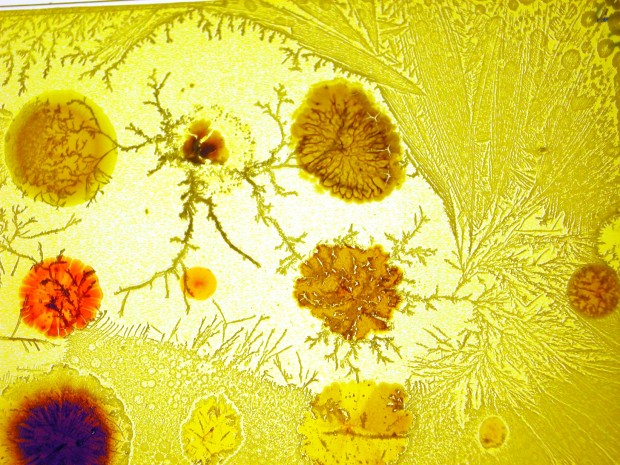
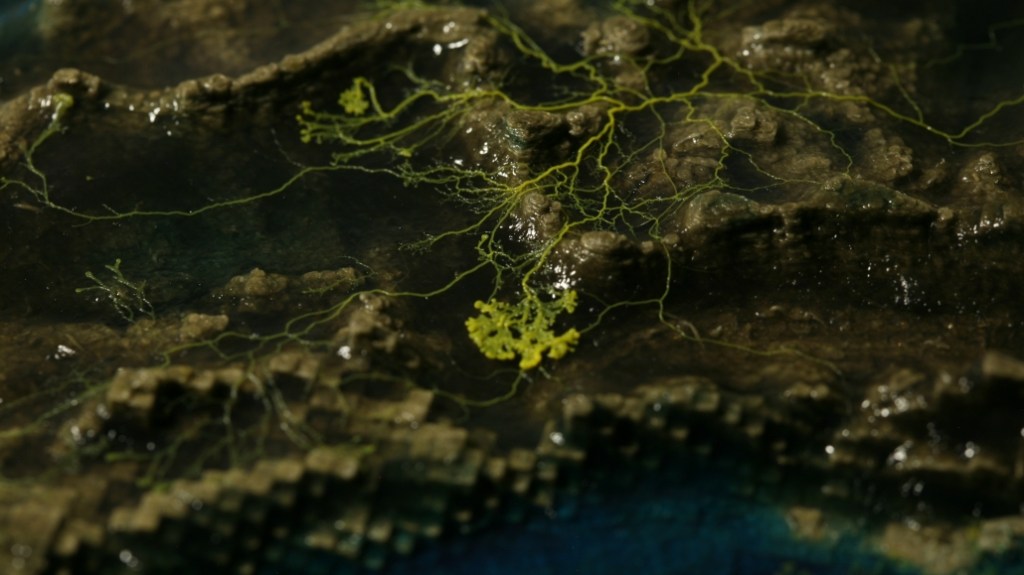
SUBJECT: Heather Barnett is a London-based visual artist and researcher working with living systems and scientific processes. By blending art with cellular differentiation and organism intelligence she blurs the boundaries of art and scientific research. In “The Physarum Experiments” Barnett utilized the slime mold, Physarum polycephalum, and observed and influenced its growth patterns, navigational abilities and seemingly human behaviours. The single cell organism is attributed with a primitive form of intelligence, problem solving skills and the ability to anticipate events. It is also beautiful, the dendritic patterns reminiscent of forms seen at varying scales within nature, from blood vessels to tree branches, from river deltas to lightning flashes.
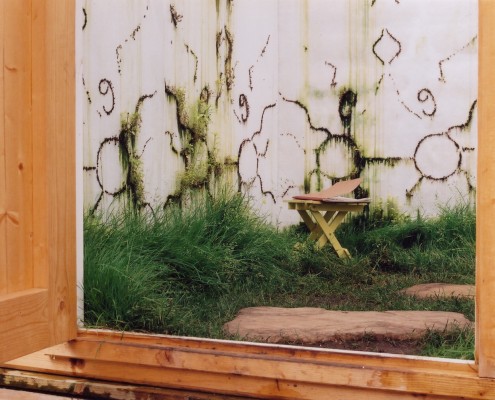
Rooted, mustard seed, 2004
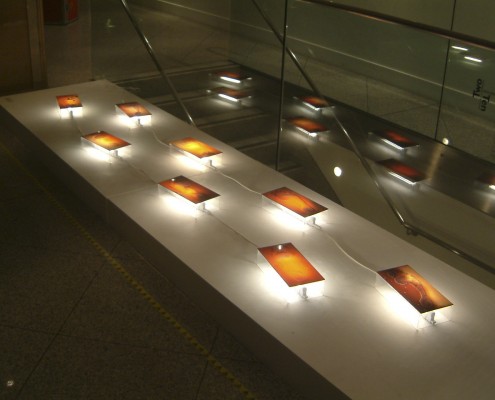
Menagerie of Microbes, microorganisms, 2016
Cellular Wallpaper, micrographs are digitally converted, 2006
Cultured Colonies microbiology agar, 2000
The Physarum Experiments Physarum Polycephalum, 2008
CONTENT: One interpretation is that The Physarum Experiments takes a closer look at microorganisms to help researchers understand how they make complex decisions without a brain or sensory organs. Another interpretation is that the experiments created an interesting way to create living art.
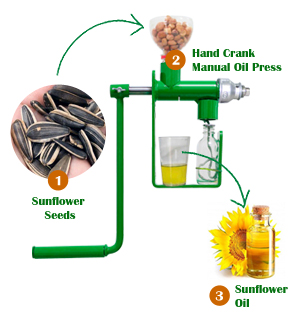
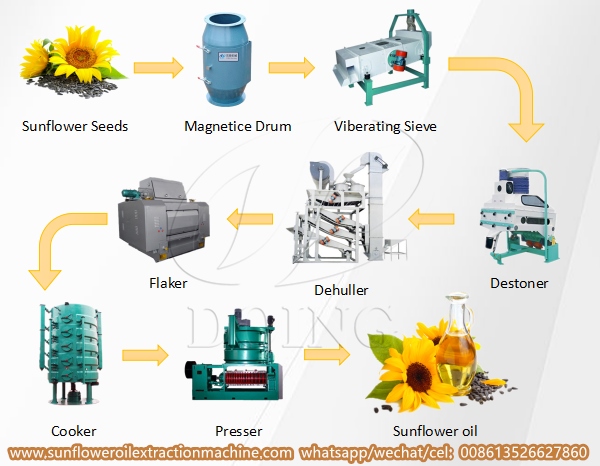
One of the biggest problems the citizens of Camden face is the radiation found in the soil. This poses as a large inconvenience because it is not only a health hazard but also prevents people from growing vegetable gardens in their backyards. One potential solution is grow phytoremediation sunflowers in this area. But, after the soil is cleansed, people are left with radioactive sunflowers. This problem can be solved by taking the seeds from the sunflowers and turning them into sunflower oil. The oil can be used for many things such as cooking, a moisturizer, and candles. Big corporations can also get involved to help because they can use industrial machinery that quickly processes seeds, this will make them lots of money and help lots of people by cleaning their soil.
One interpretation of the DIY oil is that is it is a great way to make extra money in a city were jobs and supermarkets are scarce. It is also a way to raise funds to have the rest of the radioactive plants properly disposed of. Another interpretation is that it teaches people how to utilize natural ways to help the earth and themselves.
The video E.O. Wilson of Ants and Men, was surprisingly enjoyable to watch. The viewers heart quickly melts at Wilson’s sweet elderly voice and kind southern soul. Wilson’s career is also very impressive and his discoveries and ideas were revolutionary in the world of science. The video was also expertly edited and was visually very stimulating. While I have a bias because I personally find insects fascinating, I believe this video would be entertaining to anyone. I rate this video a 9/10, because my only critique is the video was quite long.
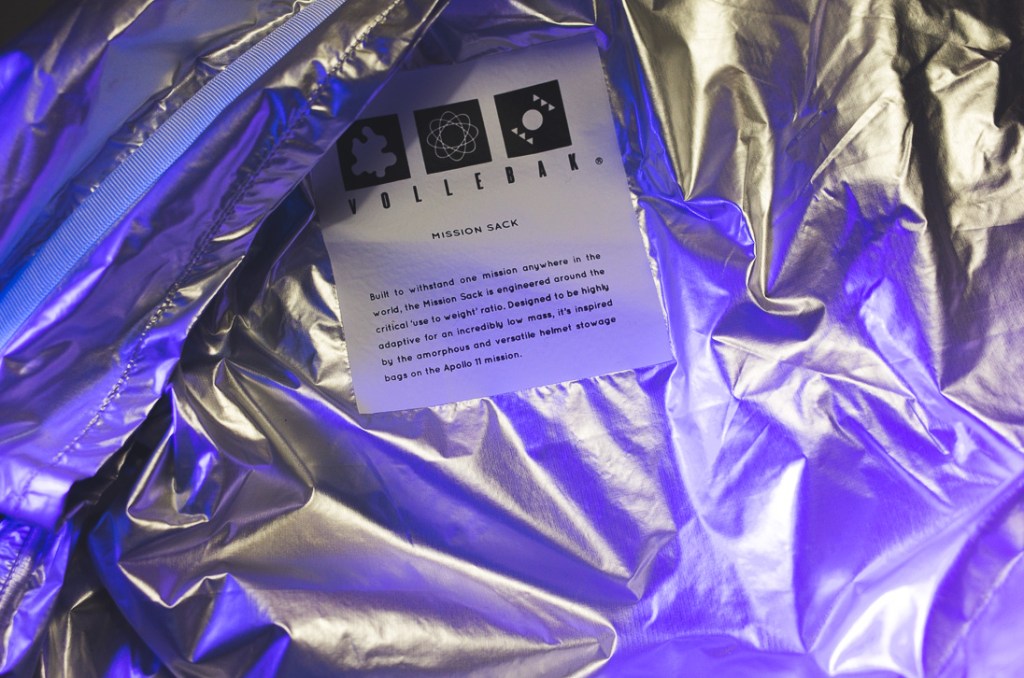
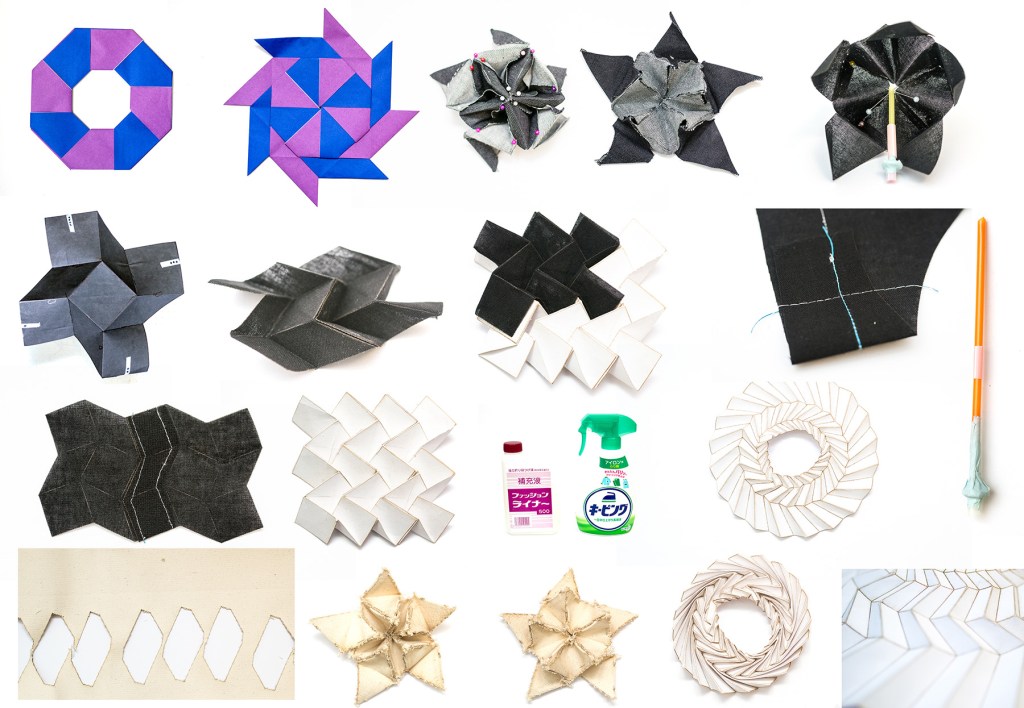
SUBJECT: Ryan Mario Yasin is a young innovator who recently earned his master’s degree at the Royal College of Art in London. While in school he worked tirelessly on many design projects but his most successful creation is Petit Pli. His work revolutionized the world of children’s clothes and fashion because his fabric grows with the child whose wearing it. The complex origami inspired design expands to fit the body and move with children for over 5 years. The product is not only extremely durable, breathable, lightweight and rainproof but does wonders for the environment because the fabric is composed of recycled plastic water bottles. The pullover shirt and long bottoms come in a variety of colors, ranging from blue, red, orange, black and green. The clothes are also remarkably inexpensive costing only $120 euros per set. The design has earned the James Dyson Award (2017), a Dezeen Best Wearable Design Award (2018), and a Global Change Award (2019).
CONTENT: One interpretation is that the style of the garments help eliminate the gender stereotypes behind clothing. As children age they are persuaded by society to dress how they think the world wants them to, but eliminating the difference between “male” and “female” clothes at a young age allows them to form their own opinion of how they wish to dress when they are older. Another interpretation of Petit Pli is that it is the future of sustainable fashion. They took the fact that children grow at such a rabid rate, and go through an immense amount of clothes, and replaced the need to buy children a new wardrobe every 6 months to buying them new clothes every 5 years.





 Lex's Blog