Phytoremediation Gardens

Fifty years ago the city of Camden was a major industrial powerhouse. At its peak Camden supplied over 40,000 manufacturing jobs, but the pollution left behind still lingers even after all the jobs were lost. One of the glaring problems in the city of Camden today is that the soil contains high levels of lead. This creates a danger for the public, especially for children because they put everything they touch in their mouth. One way to combat this problem is to plant Phytoremediation gardens. These gardens would contain plants such as sunflowers, ornamental cabbage, mustard greens and sea pink thrift, which are not only beautiful but functional. Their roots absorb not only lead but other harmful elements like Cadmium and Cesium. These gardens could be implemented in abandoned lots and even in peoples backyards, but they must be tended to because if the plants desiccate the lead will seep back into the soil.
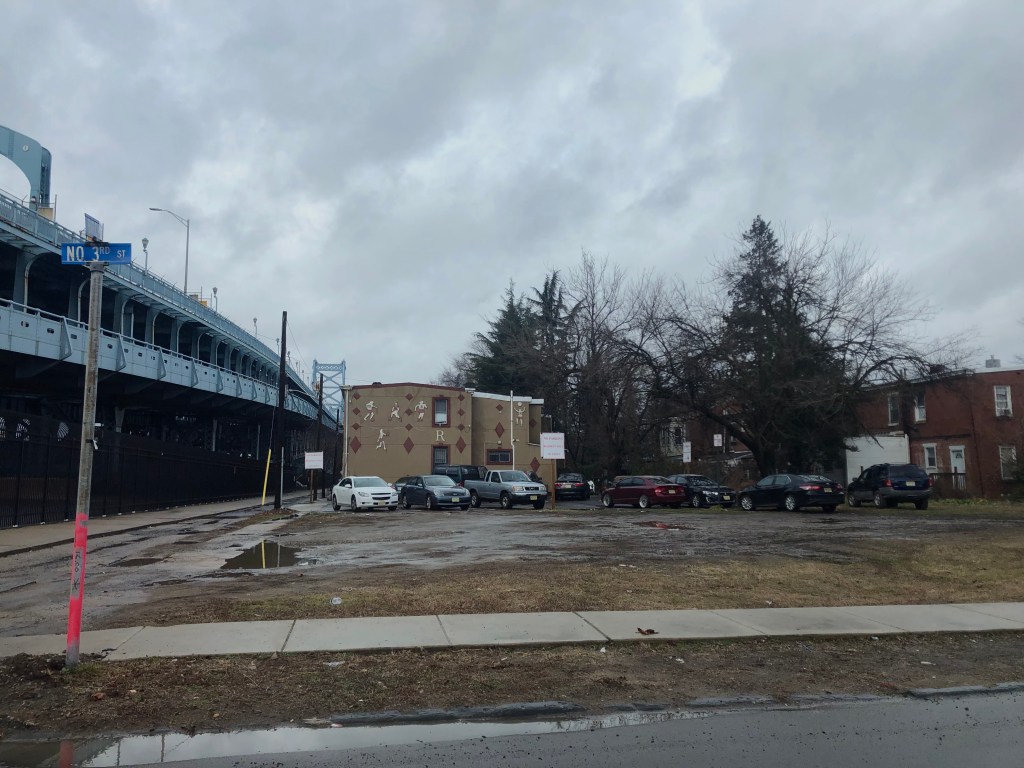
Before the Phytoremediation of the soil

In one study in Maine, cabbage was used for phytoremediation of a heavily contaminated industrial site. After the completion of the field trial, phytoremediation was successful in reducing the total soil lead level from an average of 984 mg/kg in the surface soil to 644 mg/kg. This was in just one growing season.
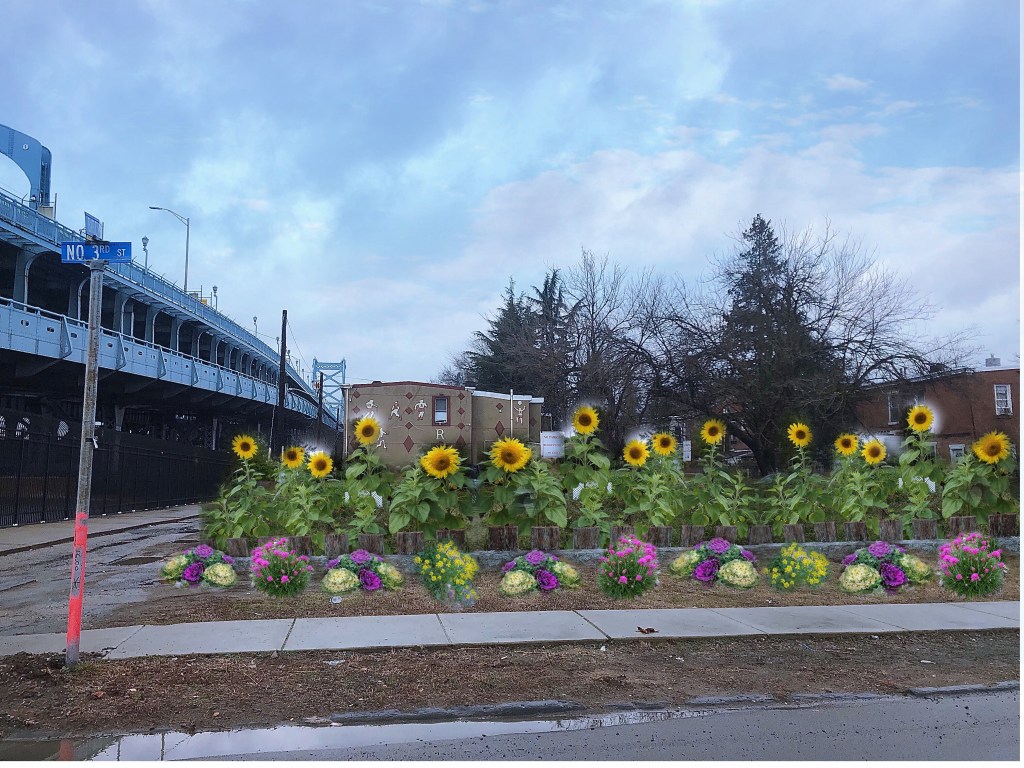
After the Phytoremediation gardens are installed

One interpretation of the project is that it would be a great way to make Camden safer. The citizens of Camden have enough to worry about, they shouldn’t need to be scared about the ground under their feet. Another interpretation is that if the soil of camden is toxin and heavy metal free, the ground would be able to sustain cheaper community gardens. If people could grow their crops from their own backyard, it would also help combat the obesity epidemic of cities.

Artist Report: Carole Collet

“She exists on a completely different plane of thought”

 “She exists 20 to 30, if not 50, years in the future”

Caroline Till

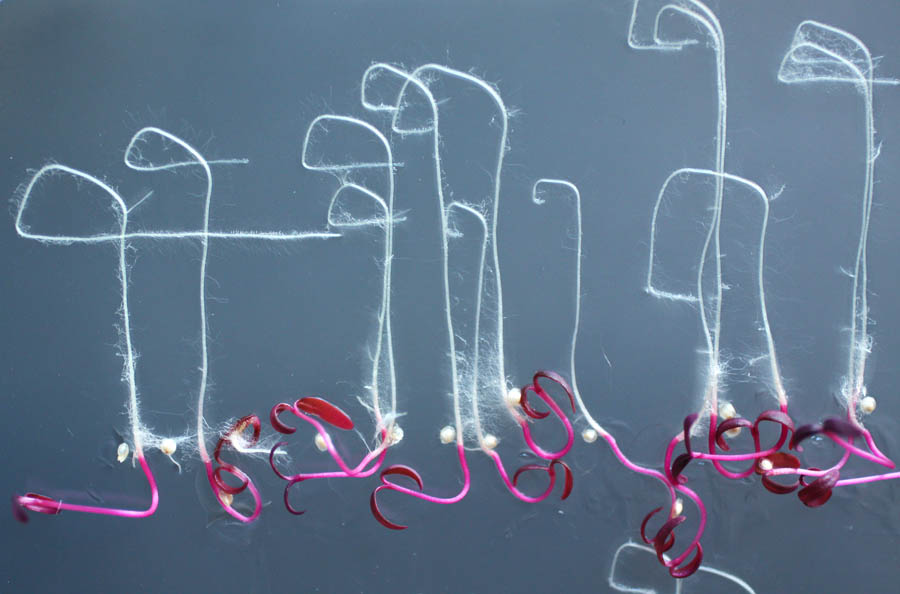
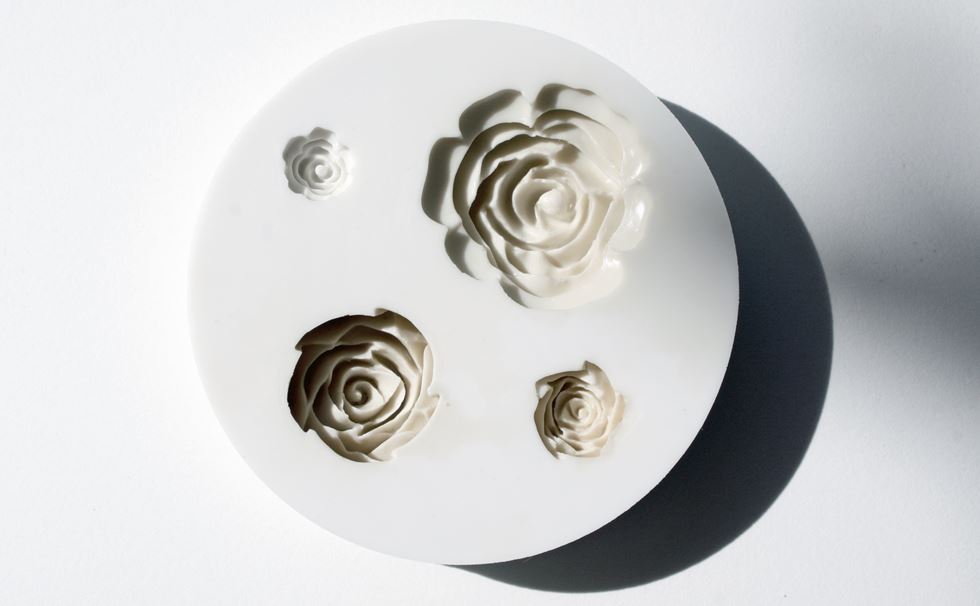
SUBJECT: The biodesign mastermind Carole Collet is the Director of Sustainable Innovation and the Director of Design & Living Systems Lab at Central Saint Martins, University of the Arts, London. Here she works tirelessly with her team to create innovations such as Biolace. They use synthetic biology to reengineer plants. The new improved organisms are multi-purpose factories that grow produce at the same time as growing fabrics from their roots. The intrecciate patterns that the roots create mimic the delicate weaves of lace while maintaining the dark natural color of plant roots. While the longevity of the textile is unknown, it could prove to be a useful tool in the future.

CONTENT: One interpretation is that fashion is constantly evolving and designers are always on the hunt for the next head-turning design. Biolace is not only head turning, but jaw dropping, and could take the fashion world by storm. Another view of Biolace is that it is the future of sustainable textiles. The new technology would combine food production with textile production. The plants would simultaneously replace the old textile producing machinery that used to emit pollutants, while cleansing the air we breath.

sub vs cont: BioDesign Challenge DENIMAIZE

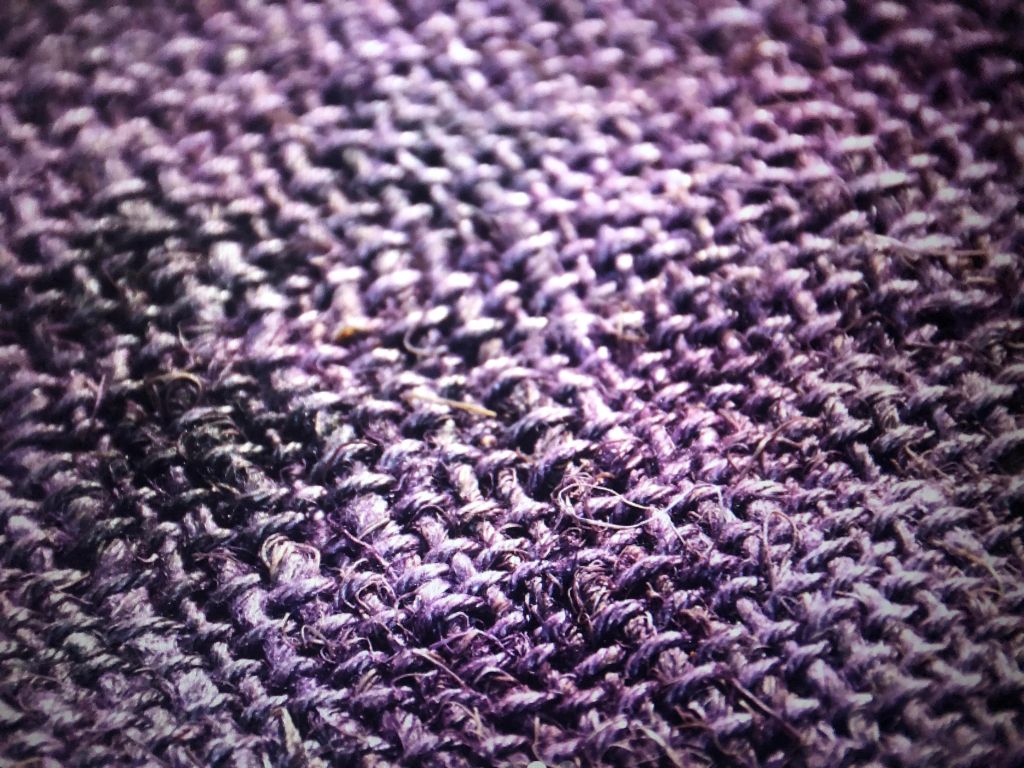
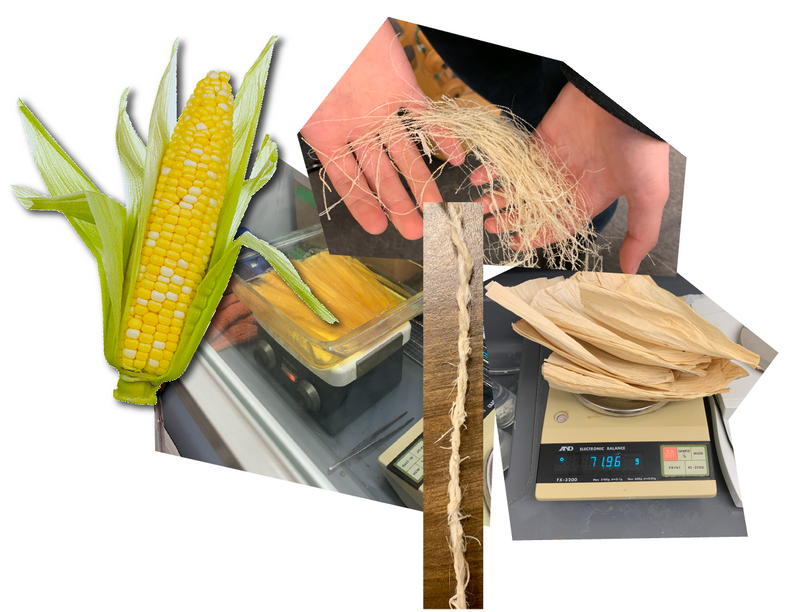
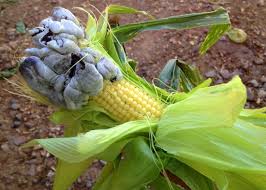
The University of Pennsylvania’s submission to the 2019 BioDesign Challenge was Denimaize. The idea behind the project was to try and reinvent denim jeans. They used retted corn husks that have been colored with a microbial dye that originates from the fungal infection corn smut. While the team from UPenn is still perfecting their material, the current model of denim has a thick wool like texture and a beautiful violet hue. The thin fibers of corn husk are woven into small flat sheets where it can potentially be tailored into the classic cut of jeans. The material also lacks elasticity and long term durability.

One interpretation of why one would make jeans made of corn is that they help make the clothing industry more sustainable. The average person own three to seven pairs of jeans, and each pair is made of cotton, spandex, lycra, polyester blends, and rayon. Not to mention the process of coloring them uses toxic chemicals and wastes hundreds of gallons of water per pair of jeans.

Another interpretation is that if the jeans are made with corn, this could start to eliminate the use of pesticides and insecticides on crops. The process of coloring the corn husks comes from a dye made from the disease corn musk. So, in order for it to grow, the corn can’t be sprayed with pesticides. In addition, if farmers are making a profit on both diseased and healthy corn, they are more inclined to not spray pesticides.

sub vs. cont~Natalie Jeremijenko

Natalie Jeremijenko’s Feral Robotic Dogs are a groundbreaking harmony of the worlds of technology and sustainability. Her ingenuity and ability to think outside of the box allowed her to create robots that use sensors to “sniff” the concentration of toxic pollutants of its surroundings. The robots themselves come in many models because they are made by disassembling and rebuilding commercially available small robotic toy dogs. The robots sleek hairless design is equipped with a camera on their head and an upgraded nose that houses the pollution sensors. A data storage device is also fitted on the back of the dogs.

One interpretation could be that humans crave companionship from animals but their furry friends often have short lifespans. A solution to this problem could be robotic dogs, because they aren’t alive and are incapable of dying, thus they would outlive their human. Another interpretation of the robotic dogs is that they could symbolize the deterioration of the environment, and the importance of involving children in the fight to save Earth. All of the people of Earth need to make changes to help the planet’s health. Most importantly, children need to be taught the ways of sustainability because their generation could be effected the most if Earth isn’t helped. The robotic dog design of the pollution detectors makes it fun for kids to help their planet.

Design a site like this with WordPress.com
Get started